Jill Greenbaum is a chaplain/spiritual caregiver in the Zen Buddhist tradition, certified Appreciative Inquiry facilitator, trainer, graphic facilitator, coach, and end-of-life literacy specialist. Jill co-creates transformative experiences with her clients.
Reading Rise: The Deep Resilience Way by Neena Verma is immersive, thought-provoking, and enlightening. This work shares the author’s extensive research from a vast array of sources, her experiences with loss and grief, real-life stories of personal adversity, and practical exercises. This inclusive approach creates the foundation for describing and working with her framework of Deep Resilience. The book can become a companion on the journey of personal discovery, inviting us to deeply explore our own knowledge and beliefs, and reflect on the ways in which we have weathered grief and trauma in our lives.
The structure of the book creates a broad foundation for understanding how Rise, the model, developed. This work describes and illustrates the elements of a resilient mindset and deep resilience. We learn and have opportunities to engage with the skills of restorative adaptation, imaginal growth, and expansive emergence supported by supple strength. The end-of-chapter REAP (Resilience Embodiment And Practice) exercises invite us to dive more deeply into reflection and practice opportunities.
An alignment with Appreciative Inquiry
What particularly resonated for me was the almost unspoken alignment with Appreciative Inquiry. The model described invites the reader to discover, explore, and activate their own deep resilience. The book delves into our innate or cultivated capacities – our will to face, recover from, and work with life storms, to ultimately adapt to life, to rise above and grow beyond our perceived fears, limits, and doubts.
Our personal will and effort are foundational components of this model. As a chaplain and grief coach working both inside and outside of systems, (at work, in communities, and the world at large), I am sensitive to the impact of systems on individuals. Interestingly, so many of the stories shared pointed to individuals working to impact or transform the systems that affected them. This feels like a fruitful area of further exploration. How does our everyday resilience become deep resilience, and can that become the change needed in systems even without the experience of trauma? Might this model be a framework for systemic change which would be in alignment with Appreciative Inquiry? In this instance, it would be personal everyday experience with resilience that could provide the impetus for organizational change.
Developing thinking: Examples and action maps
As I worked my way through the end-of-chapters REAP and exercises, I wished for examples of answers from some of the people whose stories were shared. A workbook with a compilation of exercises would be a fabulous addition to this book, enabling readers to see their thinking develop over the course of the book. As a graphic facilitator, I would benefit from examples of the personal action templates and action maps suggested in the book. Readers would learn about what to consider and do. Having examples of how some people engaged with the material would both broaden and deepen the book’s impact.
I do wonder about those who feel that they don’t have the capacity or the will, the tools or the support of others, to do this work. Perhaps there is a workbook that precedes this book to help people cultivate an Appreciative Inquiry view of themselves and begin to develop a resilient mindset.
Slowing the pace, lingering over ideas
I did a lot of thinking while reading this book – I was actively engaged in checking in with my previous learning, experiences as a chaplain and grief coach, and beliefs. Reading this book was no academic exercise. It is like walking the Camino trail: a time for slowing one’s pace, lingering over ideas, imagining into the future, choosing the ways to move forward.
This is a book for those primed to take a thoughtful journey. If you are ready for personal exploration and reflection, assessing, planning for, and integrating new processes into your life, this book will support you in recognizing your innate capabilities and cultivating new skills to work with the challenges that life presents.
Nourish to Flourish brings together practitioners’ voices and creative practices, and appreciative reviews of resources that support strengths-based approaches to human interactions.
Keith Storace is a registered psychologist with the Psychology Board of Australia (PsyBA) and an associate fellow of the Australasian College of Health Service Management (ACHSM). He works in private practice at kikuIMAGINATION®, providing counselling and psychotherapy for individuals, couples, and groups, consulting on leadership and wellbeing, and facilitating workshops. His work includes Appreciative Dialogue (ApDi) therapy, which helps people find meaning as they navigate challenges. Keith has been the editor of the Voices from the Field column in AI Practitioner since 2016
Federico Varona | USA Section editor, A Practitioner’s Journey/RIPAPA
Federico Varona, born in Spain, has lived and taught in Central America and the USA for 35 years. He is a professor emeritus at San José State University, California. He has taught the Appreciative Research course at San José State University for over ten years. Now he writes about, publishes, and delivers international webinars on the Appreciative Paradigm.
When we read Jorge Sciupac’s article “Connection in Action” through the theoretical and organic lens of the Appreciative Paradigm, six essential components clearly emerge: how he sees himself (Appreciative Ontology of the human being); how he understands the social world (Appreciative Ontology of the social world); which questions guide him (epistemology), which methodologies enable his transformation (methodology); which values sustain his practice (axiology); and which language drives change (language). This reading reveals the deep connections that exist between who we are and how we act as practitioners of Appreciative Inquiry/Intervention.
Connection in Action: Strategic Co-Creativity to grow our professional practices
Years ago, my mentor posed a very simple yet profoundly challenging question, one that changed my career forever:
Why is your work important to you or to the world?
I didn’t know how to respond. Ideas swirled in my mind, but none seemed clear or meaningful.
It was the first step in my strategic history, a path marked by “bridges of tension” between what I wanted and what the world needed. I went from artist to architect, from building designer to urban planner, from Latin America to the world, from consultant to strategic co-creator.
What have I learned in my last two decades? To connect through strategic co-creativity!
Strategy is not an abstract concept or a lengthy document, but a compass for decisions. Sometimes, in our daily lives, we focus so much on tasks that we forget our WHY: the human connection. That energy that drives us to go further. As Federico Varona has written, the Appreciative Paradigm is about “discovering what gives life … to build a better world”. When we are disconnected we forget our need for humans to relate.
Why do we get disconnected?
Although connection is a fundamental human need and a powerful motivator, I have discovered five common, sometimes almost invisible, barriers that make us feel disconnected:
We get overwhelmed Information overload or complicated tasks.
We don’t “understand” Lack of clarity regarding strategy or our role.
We are afraid Fear of failures, changes, or job security.
We miss the whole picture Our work doesn’t fit into the overall strategy.
We feel like we don’t own “it” Confusion about our responsibility or control over the outcomes.
Studies reveal that between 60% and 90% of strategies fail not due to a lack of quality, but because people don’t feel committed to them. It’s a statistic that has followed me since my early years as a consultant.
I learned that the best strategies aren’t necessarily the smartest. They’re the ones that have connections and are co-created. When someone helps create something, they automatically become its advocate, not its critic.
Four roots of strategic connections
Imagine your strategy as a metaphorical tree with “four roots” – roots that anchor our energy, nourish us with life, and propel us to give our best. It is like the Appreciative Inquiry Paradigm: a holistic way of living in the world.
We are part of something bigger
How to apply it Connect any work to a higher purpose. “Every sale is a family gaining access to food, health and education.”
2. We belong authentically
What I learned In my early years as a consultant, I made a classic mistake: imposing “proven” methodologies without considering each organization’s unique context. Today, I begin by asking: “What has worked for you before?”
3. We have an adventure
Example By reframing a “growth imperative” as an “adventure to democratize access to technology in underserved markets”, one team’s motivation skyrocketed.
4. We contribute with impact
Recommendation I urge leaders to regularly visit the “front lines” – the place where their work translates into real value for others.
Three ways to co-create strategically
Visualization for connecting
I traded dense reports for hand-drawn maps, a technique I brought with me from my time as an architect. There’s something powerful about the visual and the handcrafted that awakens a different part of the brain.
2. Dialogue, not a monologue
My favorite questions in any strategic presentation: “What part of this strategy excites you and what worries you?” This simple double question transforms a one-way presentation into a two-way conversation where everyone has a voice.
3. Daily practice after the workshop
For a client seeking a digital transformation, we replaced a two-day workshop with twelve monthly role-playing sessions where everyone experimented and could “fail” in a safe environment. We simulated scenarios, practiced new tools, and allowed ourselves to make mistakes (practice) without real consequences. Confidence increased by 70%.
Further connection in action = more bridges of tension
My path has been a series of bridges between opposites: art and pragmatism, theory and action, individual and community. All co-creation involves tension. Tension is not the enemy of progress, it’s the fuel; it’s the exact place where growth happens.
“A strategy is not a written document, it is the story that people choose to live together.”
Jorge Sciupac | RIPAPA Author
With a worldwide background in business, psychology, architecture, and environment design, Jorge has successfully led and implemented strategies for teams, departments, regional offices, and organizations around the world.
Cuando leemos el artículo “Conexión en Acción” de Jorge Sciupac desde el marco teórico y orgánico del Paradigma Apreciativo, emergen con claridad seis componentes esenciales: cómo se ve a sí mismo (Ontología del ser humano), cómo entiende lo social (Ontología del mundo social), qué preguntas lo guían (epistemología), qué metodologías lo transforman (metodología), qué valores lo sostienen (axiología) y qué lenguaje impulsa el cambio (lenguaje). Una lectura que revela las conexiones profundas que existen entre lo que somos y cómo actuamos como practicantes de la Intervención/Indagación Apreciativa.
Conexión en Acción: Co-creatividad estratégica para crecer nuestras prácticas profesionales
Hace años, mi mentor planteó una pregunta muy simple pero profundamente desafiante, una que cambió mi carrera para siempre:
¿Por qué tu trabajo es importante para ti o para el mundo?
No sabía cómo responder. Ideas me daban vueltas en la cabeza, pero ninguna parecía clara.
Fue el primer paso en mi trayectoria estratégica, un camino marcado por puentes de tensión entre lo que yo quería y lo que el mundo necesitaba. Pasé de artista a arquitecto, de diseñador de edificios a urbanista, de Latinoamérica al mundo, de consultor a cocreador estratégico.
¿Qué he aprendido en mis últimas dos décadas? ¡Utilizar la co-creatividad estratégica!
Una estrategia no es un concepto abstracto ni un documento extenso, sino una brújula para la toma de decisiones. A veces, en nuestra vida diaria, nos focalizamos en tareas y olvidamos nuestro POR QUÉ: La conexión humana. Esa energía que nos impulsa. Como dijo Federico Varona, el Paradigma Apreciativo es “descubrir lo que da vida… para construir un mundo mejor.” Cuando nos desconectamos, olvidamos nuestra necesidad humana de relacionarnos.
¿Por qué nos desconectamos?
Aunque la conexión es una necesidad humana fundamental y un poderoso motivador, He descubierto cinco factores, a veces casi invisibles, que nos hace sentir desconectados:
Nos sentimos abrumados La sobrecarga de información o las tareas complicadas lo hacen difícil.
No “entendemos” Falta de claridad respecto a la estrategia o nuestro rol.
Tenemos miedo Miedo al fracaso, al cambio o a la seguridad laboral.
Nos perdemos el panorama completo Nuestro trabajo no encaja en la estrategia global.
Sentimos que no nos pertenece Confusión
sobre nuestra responsabilidad o control sobre los resultados.
Los estudios revelan que entre el 60% y el 90% de las estrategias fracasan, no por falta de calidad, sino porque las personas no se sienten comprometidas con ellas. Es una estadística que me ha seguido desde mis inicios como consultor. Aprendí que las mejores estrategias no son necesariamente las más inteligentes. Son las que tienen conexiones y se crean en conjunto. Cuando alguien ayuda a crear algo, automáticamente se convierte en su defensor, no en su crítico.
Cuatro raíces de conexiones estratégicas
Imagina tu estrategia como un árbol metafórico con “cuatro raíces”: raíces que anclan nuestra energía, nos nutren de vida y nos impulsan a dar lo mejor de nosotros. Es como el Paradigma de la Indagación Apreciativa: una forma holística de vivir en el mundo.
Somos parte de algo más grande
Cómo aplicarlo Conectar cualquier trabajo con un propósito superior. “Cada venta es una familia que obtiene acceso a alimento, salud y educación.”
2. Pertenecemos auténticamente
Lo que aprendí En mis primeros años como consultor, cometí el clásico error de imponer metodologías probadas sin considerar el contexto único de cada organización. Hoy, empiezo a preguntarme: “¿Qué les ha funcionado antes?”.
3. Tenemos una aventura
Ejemplo Al reformular un “imperativo de crecimiento” como una “aventura para democratizar el acceso a la tecnología en mercados desatendidos”, la motivación del equipo se disparó.
4. Contribuimos con impacto
Recomendación Sugiero a los líderes que visiten periódicamente las “líneas del frente,” el lugar donde su trabajo se traduce en valor real para los demás.
Tres maneras de co-crear estratégicamente
Visualización para conectar
Cambié los informes densos por mapas dibujados a mano, una técnica que traje de mi época de arquitecto. Hay algo poderoso en lo visual y lo artesanal que despierta una parte diferente del cerebro.
2. Diálogo, no monólogo
Mi pregunta favorita en cualquier presentación estratégica: “¿Qué parte de esta estrategia te entusiasma y qué te preocupa?”. Esta simple pregunta doble transforma una presentación unidireccional en una conversación bidireccional donde todos tienen voz.
3. Práctica diaria después del taller
Para un cliente que buscaba una transformación digital, reemplazamos un taller de dos días con 12 sesiones mensuales de juego de roles donde todos experimentaban y podían “fallar” en un entorno seguro. Simulamos escenarios, practicamos con nuevas herramientas y nos permitimos cometer errores (practicar) sin consecuencias reales. La confianza creció un 70 %.
Más Conexión en acción = Más puentes de tensión
Mi camino ha sido una serie de puentes entre opuestos: arte y pragmatismo, teoría y acción, individuo y comunidad. Toda co-creación implica tensión. La tensión no es enemiga del progreso; es su combustible, es el lugar preciso donde se produce el crecimiento.
“Una estrategia no es un documento escrito, es la historia que las personas
eligen vivir juntas”.
Nick Heap | United Kingdom Section editor
Dr Nick Heap was a scientist, then an OD consultant with ICI (Imperial Chemicals Industries). Nick has been using Appreciative Inquiry since 2004 and is the editor of the ‘Practices That Deepen Appreciative Inquiry’ column for AI Practitioner.
The Ripple Effect of Taking Good Care of Me…
I gravitate towards challenges and uncomfortable topics. They intrigue and inspire me to step into my best self. At times, they are messy. Perhaps I should say that I face challenges in working with myself – because it really is about me and how I respond to what shows up in front of me.
Throughout my life – whether as a teacher and principal in special education settings, as a director of two anti-sexual violence programs, as a DEI trainer, graphic facilitator and Appreciative Inquiry coach, or as a contemplative chaplain and grief coach focused on dying, death, grief, and loss – I have turned to the healing arts to support my personal and professional life. Breathwork, meditation, visual storytelling, Zentangle, and, most recently, the creation of ephemeral earth art are my primary sources of self-care.
Creating evanescent earth art is a practice that fosters a deep connection with nature, grounding me in the present moment. By mindfully arranging natural elements into intricate designs, I engage in a practice that nurtures reflection, meaning-making, and a sense of interconnectedness with the universe, supporting emotional and spiritual growth. This process encourages me to listen to myself, formulate questions or intentions, and process what is in my mind or perhaps on my heart through ritual and creation.
I find that the steps of the Morning Altars practice align with the Appreciative Inquiry model. Take a moment to reflect on what you know and understand about the Appreciative Inquiry model. In essence:
Discover – Appreciating our strengths/foundation without minimizing challenges
Dream – Visualizing the future
Design – Constructing the future
Deliver – Manifesting and sustaining the changes
Now, step with me into the Morning Altars practice: I become immersed in a multisensory experience that supports gentle inquiry into my inner landscape and offers opportunities for insights and expression.
The alchemy of being in nature, using ritual and process and adding my creativity envelops me. The rest of the world falls away for a time. I experience the seven steps of the practice seamlessly:
Wonder and wander – Treasure hunting in nature to collect what has fallen to the ground and inspires me in relation to my query or intention.
Place – Slowing down to arrive in the space, listening to nature.
Clear – Making space at my feet to reveal a blank canvas so that inspiration can flow.
Play – Laying out everything I have foraged, exploring shapes, textures, and colors to develop patterns.
Gift – Dedicating my creation/art to my intention.
Share – Crafting a memory, capturing it in my mind or in a photo to memorialize the experience.
Let go – Walking away, giving up any attachment to the physical manifestation of my work and play.
Over the past year, my subjects of introspection and subsequent altar construction have included: Releasing and Readying, Many Conversations/ Listening for Other Voices/Perspectives, Becoming/Unfolding, Transforming a Gift, Letting Go, and Crossing a Threshold. My altars are created indoors or outdoors, in 15 minutes or 60, using materials ranging from all nature-based (branches, leaves, flowers, berries, shells, bark, ashes, and more) to the inclusion of my artwork and art materials, and from sizes that fit in my palm to others with a four-foot diameter.
An early morning celebration
In the early morning, following my 43rd wedding anniversary, I stepped outside into a beautiful, warm day, grass glistening with dew. My intention was to create an earth sculpture encapsulating the essence of a journey through time. The construction of this simple, radiating form became an opportunity to honor a shared past and present, and imagine a future. A patch in the backyard, and the elements – long leaves and fluffy, feathered seedheads from reeds, petals from store-bought white chrysanthemums, rich, yellow drying petals from a favorite pot of sunflowers, and a giant skunk cabbage leaf to cradle the delicate center of it all—formed a space to invite a deep and heart-opening conversation. A beautiful way to begin another year together.
I believe I have taken to this practice like a fish to water because it aligns with my background in positive psychology, Appreciative Inquiry, and a contemplative spiritual approach. In both the AI model and the Morning Altars practice, I become grounded in my foundation, self-reflective, imaginative, design-oriented, and selective, in service of manifesting a result. While there is no one-to-one correspondence between the lived experiences of these methods, they resonate with me in the same way.
I invite you to immerse yourself in the 7 Steps of the Morning Altar practice, then reflect on your impressions of the experience. How did you feel? What did you think? How would you describe it?
Lastly, make time to explore the similarities and differences between these methods. Regardless of whether we see eye to eye, I’d love to hear your thoughts. Most of all, I hope it is a deep, rich, moving experience that supports your self-care. May the effects of this practice benefit you and those with whom you live and work.
Nick Heap was a scientist and then an OD consultant with ICI. He has been a Samaritan and a Relate Counsellor. He is a self-employed coach, counsellor, facilitator and trainer. He works with individuals, teams and organisations in the charity, private and public sectors. He has used Appreciative Inquiry since 2004.
Federico Varona
ISBN-13 (Kindle) 979-8218680428
Available in Kindle editions in English, Spanish, and Portuguese
Appreciative Paradigm by Federico Varona is a meticulously researched and conceptually rich exploration of a truly transformative way of seeing the world. It is a pioneering synthesis of theory, scholarship and lived passion that invites readers to reconsider not only how they work with Appreciative Inquiry, but how they live.
From the individual to the cosmic perspective
The book first focuses on the individual and then expands into cosmology, the earth, and a more-than-human perspective. This structure mirrors the journey from inner awareness to planetary responsibility, and some of the most moving passages emerge when the author writes about the earth and the bigger picture, where the text feels less like an academic treatise and more like a revealing of his soul. Those sections, especially the reflections on appreciative ontology, are at times genuinely beautiful and inspiring.
He argues persuasively that Appreciative Inquiry is not just a method but a paradigm shift. Instead of focusing on what does not work and reinforcing a sense of powerlessness, this appreciative paradigm turns attention to what gives life and what we could create. It helps people feel more hopeful, resourceful, and empowered. It is a positive shift not only in the social sciences but also in the way human beings can understand themselves, relate to one another, and live in the natural world.
A book to savour
The book’s design supports careful study. It is comprehensive, with clear summaries and cues that help readers navigate complex material. This book is not a quick read. It is like a fine wine to savour slowly. You can dip into it, open a page, and let a single idea or passage work on your thinking for days.
The language and level of abstraction can make the book demanding. The author acknowledges that it can feel “too academic” for some people.
Principal audiences
It is not clear whether the primary audience is scholars, students, practitioners or the author himself working through his own intellectual and personal journey.
Stories illustrating the appreciative paradigm in action with individuals, teams and communities would make the ideas more accessible and memorable.
Overall, Appreciative Paradigm is a groundbreaking and ambitious work that lays a foundational, integrative framework for appreciative theory and practice. It will be most rewarding for readers who are already familiar with Appreciative Inquiry and are willing to co-create this emerging paradigm.
Federico Varona, born in Spain, has lived and taught in Central America and the USA for 35 years. He is a professor emeritus at San José State University, California. He has taught the Appreciative Research course at San José State University for over ten years. Now he writes about, publishes and delivers international webinars on the Appreciative Paradigm.
Karen Pérez Molina | RIPAPA
Karen Pérez Molina holds a master’s degree in education and is a PCC‑level coach (ICF), with 21 years of experience in public policy. She teaches at the undergraduate and graduate levels, and is the creator of Mujer Apreciativa (Appreciative Woman). Her work weaves together positive psychology, appreciative inquiry, neuroscience, and ancestral wisdom..
RIPAPA, the Iberoamerican Network of Academics and Practitioners of the Appreciative Paradigm, is a vibrant, multilingual community committed to expanding the Appreciative Paradigm and advancing the practice of Appreciative Inquiry methodology worldwide. Publishing member-generated articles in AI Practitioner, translated from Spanish, opens a global window into our ideas, innovations, and lived experiences. Through writing, we affirm our identity, share our learning, and contribute to the appreciative future we are co creating.
We open this series with Karen Pérez Molina, whose writing invites us into a deeply lived encounter between ancestral wisdom and the Appreciative Paradigm. Writing from within the Iberoamerican context, Karen brings a voice shaped by lineage, land, and lived practice, returning appreciation to its roots in memory, ritual, and relationship. By beginning the series here, we are invited to slow down, listen across generations, and sense how appreciative practice can be lived as a way of being, carried through lineage, reciprocity, and service.”
Appreciative Ancestrality: An Initiatory Path Between Karpay and the Soul’s Questions
What happens when ancestral wisdom meets a contemporary philosophy that honors what gives life? This question opens an initiatory path that weaves together the Andean cosmovision and the Appreciative Paradigm – lived not only as a conceptual framework, but as an experience embodied in the body, the heart, and the soul.
I write these words as an offering during Inti Raymi, the Festival of the Sun that marks a time of spiritual renewal, to share the testimony of a ten day initiatory retreat through the sacred lands of Peru, where I received the three Karpay of the Q’ero lineage. This journey awakened ancestral memories and revealed how the heart of the Appreciative Paradigm also lives within the Andean worldview. The Karpay are rites of transmission of energy and wisdom that activate the spiritual seed, Inca Muju, and open the path of service. The Q’ero lineage, a Quechua nation considered a living guardian of Inca knowledge, has preserved its ancestral wisdom for centuries in the high Andes until receiving the call to share it with the world.
The initiation began with an offering in the heart temple of Pachamama, near Cusco. I understood then that no spiritual path can be walked without profound respect for nature. The gesture of offering – giving, receiving, and giving thanks— – became the central axis of the process, lived as ayni, the principle of reciprocity that sustains life.
The rite unfolded as a language of the soul, awakening essential questions: What meaning do rituals hold in our daily lives? How does the ordinary become sacred? What memories are waiting to be remembered? The A rainbow accompanied this journey as a symbol of the portal that unites the three Andean worlds: Hanan Pacha, Kay Pacha, and Uku Pacha. For the Q’ero elders, it was a sign of blessing and permission to continue.
The first Karpay took place at Lake Titicaca, considered the second chakra of the world. There, in icy waters more than four thousand meters above sea level, I experienced a profound cleansing. My body trembled, my breath quickened, and my heart beat like a drum of life. The energetic transmission occurred in the temple of Pachamama on Amantaní Island. In that sacred space, I received a vision that now guides my purpose: I saw my soul descend into Uku Pacha, nourish itself in the darkness, transform into a firefly, then into a yellow flower, and finally into a bee returning to its hive. I understood that my purpose is not only to accompany, but to serve from a light that blossoms in community.
The second Karpay took place at Apu Ausangate, the tutelary mountain of the Q’ero people. Amid strong winds and eternal snows, I experienced a silent dialogue with this ancestral energy. There I understood the gentle strength of presence: life sustains us when we trust and surrender to the greater flow that holds us.
The third Karpay was carried out near Apu Pachatusán, guardian of balance. Through a healing with kuyas – living stones collected from sacred places – I received the transmission of kawsay, vital energy, and yachay, wisdom. The final consecration came, blessed by María Apaza, the last living Alto Misayoq. Her luminous presence sealed the process and confirmed my commitment to service.
This initiatory journey awakened dormant ancestral memories and re signified the Appreciative Paradigm through an embodied experience. I understood that the five phases of Appreciative Inquiry can be lived as a rite of the soul: defining the inner call, discovering the ancestral roots, dreaming from the soul, designing with ritual intention, and delivering with collective purpose.
From this experience, I name appreciative ancestrality as this deep process of remembering what is essential. To remember, in its etymological sense, is to pass again through the heart: to recognize, honor, and collaborate with the universal life force, latent across generations, that awakens within us. It is not only an individual memory; it is, but a collective and intergenerational remembering that emerges from living lineages and Indigenous peoples.
Appreciative ancestrality integrates the Appreciative Paradigm with the Andean cosmovision, understanding that everything we seek already lives within us and simply awaits being remembered. To appreciate is a profound ancestral act. I resonate with Miriam Subirana in understanding appreciation as an act of deep consciousness, and with Federico Varona in recognizing appreciative language as an ethical action that gives voice to knowledge historically silenced.
Today I integrate these learnings into my life and into my gatherings with women, through rituals, drum led visualizations, and practices that connect with the three Andean worlds. Offering is a collective act that generates life. From this awareness arises the question that continues to echo: What offering do we become for the world when we honor what gives us life?
REFERENCES AND FURTHER READING
Jenkins, J. E. (2008) Iniciación: La sabiduría viva de los Andes. Barcelona: Editorial Obelisco.
Subirana, M. (2024) Indagación Apreciativa: Un enfoque innovador para la transformación personal y de las organizaciones (7th ed.). Barcelona: Editorial Kairós.
Varona, F. (2025) Appreciative Paradigm. From Methodology to Paradigm: A New Paradigm for Social Change and Social Sciences. Amazon: Paperback and Kindle.
Keith Storace is a registered psychologist with the Psychology Board of Australia (PsyBA) and an associate fellow of the Australasian College of Health Service Management (ACHSM). He works in private practice at kikuIMAGINATION®, providing counselling and psychotherapy for individuals, couples, and groups, consulting on leadership and wellbeing, and facilitating workshops. His work includes Appreciative Dialogue (ApDi) therapy, which helps people find meaning as they navigate challenges. Keith has been the editor of the Voices from the Field column in AI Practitioner since 2016
Nick Heap | United Kingdom
Dr Nick Heap was a scientist, then an OD consultant with ICI (Imperial Chemicals Industries), and has been a volunteer for The Samaritans in the UK as well as a counsellor for Relate. He is a self-employed coach, counsellor, facilitator, and trainer, and helps individuals, teams, and organisations in the charity, private and public sectors to develop. Nick has been using Appreciative Inquiry since 2004.
Over the past decade, I have enjoyed curating Voices from the Field in the Nourish to Flourish section of the AI Practitioner, featuring submissions from practitioners worldwide. Each article tells a story of practice, grounded in the realities of local contexts and lived experience. What stands out most to me is not only the variety of approaches practitioners draw on, but also how much of themselves they bring to their work with others.
Appreciative Inquiry invites us to orient towards life, possibility, and movement, even when contexts are complex or strained. That orientation is carried by those who are present to what is unfolding. When a practitioner is settled enough to listen, stay with uncertainty, and respond rather than react, something different happens in the room. People speak more freely, think more carefully, and begin to notice possibilities that were previously inaccessible.
Nourish to Flourish was created as a dedicated space within AI Practitioner to explore this area of practice. It also offers practitioners a chance to reflect on how they support themselves in demanding roles.
This raises a question I often consider: what helps us sustain the inner conditions that make good collaboration possible – presence, steadiness, and openness – especially over time and under pressure? The answers vary and evolve. What matters is the willingness to remain in relationship with the question itself, to understand how we nourish ourselves to help others flourish.
In this spirit, I am pleased to introduce a new addition to Nourish to Flourish which Nick Heap will lead: a column titled “Practices That Deepen Appreciative Inquiry: Tuning the Human Instrument”. Nick writes about a practice that has strengthened his ability to stay present and responsive in his work. His reflection offers a broader invitation to practitioners to consider the tools, disciplines, and approaches they draw on alongside Appreciative Inquiry, and how these support readiness, presence, and care in practice.
Practices That Deepen Appreciative Inquiry: Tuning the Human Instrument
The best work I’ve ever done has been when I’ve been, as Otto Scharmer would say, in a good interior condition. Then I’ve been aware and present, able to adjust to the situation, respond to what’s in the room, and make things up as I go along.
I’m thinking about some team-building work I did in Rwanda in 2009. I had people from six African countries in the group, along with an American, two Dutch participants, and another Brit. I went into it with a few scrappy notes and a simple idea. I sat people in a circle and asked them why they cared about the organisation’s work.
Creating the conditions
That initial setting created the conditions for conversations that led to a growth-full, high-energy event using Appreciative Inquiry and other tools, including “laughter yoga”. It was great fun for everyone involved, so much so that I use a smiling photograph from the end of that workshop as my LinkedIn banner.
The question is, how did I reach that state of being able to be present, of not being stirred up by the complexities of different cultures, but simply responding to people as human beings?
It didn’t happen by accident. For many years, I’ve used a peer counselling process, known by various names, such as re-evaluation counselling or co-counselling. You take turns listening deeply to each other. One person listens with full attention, offering encouragement, warmth, and love, in complete confidentiality. Nothing is repeated to the other person, let alone shared outside the pair.
The person being listened to can explore anything. They can fully express the feelings they have about whatever they’re talking about.
Every time you talk with someone who is truly present and listening, you think and feel better. Perhaps more importantly, you increase your ability to give attention to others in the moment because you’ve dealt with your own stuff. You reach a point where, if someone says or does something that stirs an old memory, you don’t need to deal with it in the moment. You note it mentally and return to it later, knowing you have trusted relationships where you can explore it safely.
Appreciative Inquiry brings life, light, and hope into a world that can appear dark and hopeless
I am looking for stories and ideas for this new column about practices that deepen the way engage with Appreciative Inquiry, stories about how we have, or can, strengthen our appreciative practice by:
Being in the right state to be present, loving, flexible, challenging, and creative to deliver our best work, and
Using other practices, disciplines, activities, processes, and ways of thinking to help clients accept and use Appreciative Inquiry.
I don’t think we can help people flourish unless we flourish ourselves.
So, I’m wondering how readers help themselves do their best work. What methods do you use to look after yourself and continue developing?
To contribute your story to my new column, ‘Practices That Deepen Appreciative Inquiry: Tuning the Human Instrument’, get in touch. I’d love to hear from you. Perhaps you’re using other tools, practices, or disciplines alongside Appreciative Inquiry – whether to support your own readiness or to strengthen your work with others.
A short reflection, a story from practice, or even a few paragraphs is enough to get started.
When we work with people, we are human instruments, and all we have is all of us. How do you make sure your instrument is in tune? We love hearing how people have enriched their practice. What else might be possible?
Keith Storace is a registered psychologist with the Psychology Board of Australia (PsyBA) and an associate fellow with the Australasian College of Health Service Management (ACHSM). He manages a private practice at Kiku Imagination where he applies the Appreciative Dialogue (ApDi) therapy program to assist individuals move toward, strengthen and enjoy what is meaningful while dealing with the challenges they encounter along the way. Keith has been the editor of the Voices from the Field column for AI Practitioner since 2016.
Following the publication of my article Appreciative Inquiry and the Young Philosophers: Cultivating Hope and Agency in a Complex World (AI Practitioner, September 2025), many readers reached out asking for more practical guidance on how to apply the ten principles in conversations with young people. In that initial article, I described young people — who are our thought leaders of tomorrow — as “young philosophers,” because their questions, reflections, and evolving perspectives can shape the future as powerfully as their actions. This follow-up piece is a direct response to those requests. It explores how parents, mentors, coaches, educators, and counsellors can translate these principles into reflective practices that help young people deepen their self-understanding, strengthen their sense of agency, and actively participate in shaping their own unfolding stories.
The Young Philosophers, Part II: Applying the Ten Principles of Appreciative Inquiry as a Pathway to Growth
Adolescence is a time of deep transformation. It’s when questions of identity, belonging, purpose, and agency surface. Many young people, however, are expected to have answers before they have had the time or space to explore these questions for themselves. In a world that values speed, reaction, and surface engagement, taking time to reflect can feel countercultural – but it is exactly this slowing down that enables deeper insight and growth.
Reflection is more than just introspection; it is an active, constructive process. It creates coherence in the stories young people tell about themselves. It uncovers strengths that might otherwise go unnoticed. It sheds light on choices in situations that seem limited. Most importantly, it shifts the sense of meaning from something to be found “out there” to something that can be created from within.
The ten principles below have been adapted from the original framework of Appreciative Inquiry, first developed by David Cooperrider and Suresh Srivastva (1987) and further elaborated by Jeanie Cockell and Joan McArthur-Blair (2012), and Lea Waters and Mathew White (2015) to support reflective practice in therapeutic, educational, and developmental contexts.
1. Constructionist principle: Language shapes experience
The stories we tell ourselves become the reality we live in. Language doesn’t just describe our experience – it actively shapes it. For young philosophers, learning to listen to their internal dialogue and reshape it is a key act of agency. Changing the words they use can alter how they interpret challenges, how they see themselves, and how they approach growth.
Reflective process:
Notice the phrases you use when talking about yourself, especially during tough times.
Try using language that views your situation as evolving rather than fixed.
Reflect on how one change in words can shift how you feel and what you believe is possible.
Example: If a young philosopher notices they often say, “I’m failing”, they can reframe this to “I’m learning”. This isn’t about sugarcoating reality – it’s about recognising that language influences belief. As words move from self-blame to a growth mindset, internal stories become more positive, creating space for persistence and creativity.
2. Simultaneity principle: Curiosity itself is an action
Change does not wait for the future – it starts the moment a new question is asked. In Appreciative Inquiry, inquiry itself is a generative force. For young philosophers, learning to ask different questions is a way to redirect focus, shift perspective, and unlock movement where there once was stagnation.
Reflective process:
Become aware of the types of questions you ask when things feel tough.
Replace questions that shut down thinking (“Why can’t I…?”) with ones that open it up (“What might help here?”).
Notice how your mood, behaviour, and outlook change as soon as curiosity enters the situation.
Example: In a moment of frustration, a young philosopher might ask, “Why is this going wrong?”. If they instead ask, “What matters most in this situation?” the question itself begins to reorient their focus towards priorities and strengths. The very act of inquiry becomes the first step towards meaningful change.
3. Anticipatory principle: The future takes shape in the images we hold of it
The future doesn’t just happen – it is rehearsed in the present through imagination. The stories young philosophers tell about what lies ahead directly shape their choices today. When they become conscious of these imagined futures, they gain the power to choose and cultivate the ones they want to grow into.
Reflective process:
Bring awareness to the future scenarios running silently in your mind.
Notice how any negative rehearsals (like anticipating failure) shape current behaviour.
Practise rehearsing qualities like courage or kindness and observe how they influence the choices being made right now.
Example: If a young philosopher repeatedly imagines themselves failing at a new task, their body may respond with anxiety and avoidance. But if they imagine themselves navigating challenges with determination and calm, they start to behave in ways that make that outcome more likely. The future they visualise becomes a self-fulfilling map for the present.
4. Poetic principle: What we choose to notice becomes the story we live
Our experiences are vast, yet we only live within the parts we choose to notice. This principle teaches young philosophers that where they place their attention determines the narrative they build around themselves. Expanding their field of attention helps them construct richer, more balanced stories of who they are and how they are growing.
Reflective process:
Notice what moments you highlight when reflecting on your day.
Explore how including different details – not just the hard ones – changes the story.
Reflect on how your chosen focus shapes your thinking and understanding.
Example: A young philosopher might initially describe their day as “a disaster” because they stumbled during a presentation. But when they also notice the encouragement they received and the progress they made, the narrative becomes more nuanced. They see not just a mistake but also resilience, support, and growth – all of which are equally true and more empowering.
5. Positive principle: Recognise what strengthens rather than what drains
Human beings, like plants, tend to grow towards what gives them life. Paying attention to sources of strength and vitality is not about ignoring problems – it’s about building the energy needed to address them. For young philosophers, cultivating an awareness of what sustains them lays the groundwork for resilience and agency.
Reflective process:
Identify the moments in your day when you felt most engaged, alive, or connected.
Explore what conditions made those moments possible.
Consider how to create more of those conditions in your daily life.
Example: A young philosopher might recall that they felt most energised while mentoring a peer. Recognising this as a strength – the ability to connect and support – helps them see new ways to contribute meaningfully. These strengths-based insights become stepping stones for purposeful action.
6. Wholeness principle: How we value every part of ourselves and see how it belongs to the whole
Wholeness is the practice of welcoming all aspects of the self – including the parts we would rather ignore or hide. Growth occurs when young philosophers learn that vulnerability, uncertainty, and doubt are not weaknesses to suppress but parts of a complete, authentic identity.
Reflective process:
Identify parts of yourself you often silence or ignore.
Reflect on how these parts might have wisdom or value.
Practise integrating them into your self-understanding rather than pushing them away.
Example: A young philosopher might resent their cautious side, believing it holds them back. But when they recognise that caution also helps them make thoughtful decisions, they begin to see it as a strength. This integration reduces internal conflict and builds a more coherent, compassionate sense of self.
7. Enactment principle: How we live our values now is already a step towards the future we want
“Becoming” is not a distant event – it is something we practise now. Every action taken today that reflects the values of the future self helps bring that version of the self into being. For young philosophers, this means they don’t have to wait to “become” – they can begin right now.
Reflective process:
Identify a quality or role you aspire to embody in the future.
Choose a small action today that reflects that aspiration.
Reflect on how these actions influence how you see yourself.
Example: A young philosopher who wants to lead with kindness might make a conscious effort to listen deeply to a friend today. This act is not a rehearsal – it is leadership in action. By living a small part of the future now, they begin to embody the person they wish to become.
8. Narrative principle: See that the stories we tell can open or close possibilities
The stories we tell about ourselves shape what we believe we’re capable of. They can quietly set boundaries or open up new directions, influencing the choices we make and the risks we’re willing to take. When young philosophers learn to question and rewrite those stories, they realise that identity isn’t fixed – it’s something they can shape and reshape as they grow.
Reflective process:
Identify the recurring stories you tell about who you are.
Ask yourself if those stories are complete or if new perspectives could be added.
Experiment with telling a story that emphasises growth, effort, and change.
Example: A young philosopher who often says, “I’m not the type to speak up”, can challenge this story by recognising times they did express their views. By rewriting their narrative as, “I’m learning to share my voice more often”, they expand their identity and the range of choices available to them.
9. Free Choice principle: Notice where choice is still possible, even in small ways
When life feels beyond our control, there are still decisions we can make – about how we respond and where we direct our energy. Recognising these small but meaningful choices reminds young philosophers that, while they may not shape the situation itself, they can shape their experience within it.
Reflective process:
Identify areas, however small, where there is still a choice.
Make intentional decisions in those areas.
Reflect on how those decisions change the experience of the situation.
Example: A young philosopher might not be able to change a difficult assignment, but they can choose how they approach it – with resentment or with curiosity. That choice alone can shift their energy, engagement, and the meaning they attach to the experience.
10. Awareness principle: Acknowledge the full range of what we feel without turning away
Awareness invites young philosophers to approach their inner world with openness and curiosity. Instead of avoiding uncomfortable feelings, they learn to see them as signals – messages about what matters most. Emotional literacy deepens their capacity for empathy and resilience.
Reflective process:
Pause and notice emotional responses without judgement.
Ask what each feeling might be trying to communicate.
Practise holding multiple emotions together without rushing to resolve them.
Example: A young philosopher might feel both sadness and excitement before moving to a new school. Instead of trying to push one feeling away, they can acknowledge that sadness honours what they’re leaving behind, while excitement celebrates what’s ahead. Holding both allows for a richer, more integrated experience.
Living the principles
These ten principles form more than a reflective framework: they are a way of being. They teach young people that language shapes identity, that questions create change, that the future is already unfolding, and that their stories are theirs to rewrite. They remind them that every part of themselves belongs, that choice is always possible, and that emotions carry wisdom rather than weakness.
When we guide young philosophers through these pathways, we help them move beyond passive reflection into active authorship of their lives. In doing so, we give them more than tools for coping – we nurture their capacity for meaning, agency, and connection in a complex and changing world.
Keith Storace is a registered psychologist with the Psychology Board of Australia (PsyBA) and an associate fellow with the Australasian College of Health Service Management (ACHSM). He manages a private practice at Kiku Imagination where he applies the Appreciative Dialogue (ApDi) therapy program to assist individuals move toward, strengthen and enjoy what is meaningful while dealing with the challenges they encounter along the way. Keith has been the editor of the Voices from the Field column for AI Practitioner since 2016.
Much of my work with young people centres on one question: how do I help them pause long enough to notice their own strengths and possibilities? Appreciative Inquiry and the Young Philosophers – Cultivating Hope and Agency in a Complex World explores how the principles of Appreciative Inquiry can support young philosophers to reflect more deeply and discover their own strengths, meaning and possibilities. It’s about nurturing hope, agency and the reflective practice that shapes future leaders.
Appreciative Inquiry and the Young Philosophers: Nurturing Hope and Agency in a Complex World
Young people are the thought leaders of tomorrow with the capacity to create futures of meaning, resilience and hope.
In a time when the world feels increasingly complex and rapidly changing, I like to encourage young people to think of themselves as young philosophers. They’re not only dealing with the personal challenges of growing up but also living at the threshold of a global landscape increasingly shaped by technology, uncertainty and cultural change. Artificial intelligence, climate disruption, political instability, and the constant noise of social media create an environment that – to a large extent – influences how their identities are formed and how their futures are envisioned.
Within this environment, their curiosity, restless questioning and willingness to explore what matters are not just signs of youthful searching, but practices that shape who they are becoming. When young people notice that their reflections and inquiries are already influencing how they see themselves and relate to others, they begin to understand that philosophy in everyday life is also the early work of leadership.
Appreciative Inquiry as a guide for young philosophers
Modern life often leaves little time for reflection. Information arrives in a constant stream, and the world presses young people to respond quickly, rather than to pause and think. However, it is precisely this pause – the willingness to ask deeper questions – that builds resilience and vision.
In my psychology and consulting work, I often draw on the principles of Appreciative Inquiry, first introduced by David Cooperrider and Suresh Srivastva (1987). Over time, these principles have been further elaborated by others within the field and I continue to use them in practice as reflective tools, particularly when engaging with young people. They serve either to frame a conversation or as prompts that encourage deeper reflection. In doing so, they help shift the focus from reacting to immediate pressures towards recognising personal strengths, noticing emerging possibilities, and attending to what truly matters.
Lea Waters and Mathew White (2015), in Case Study of a School Wellbeing Initiative: Using Appreciative Inquiry to Support Positive Change, demonstrate how Appreciative Inquiry at St Peter’s College in Adelaide, Australia, enabled students to become active participants in shaping a culture of wellbeing and to see themselves as contributors to positive change. Similarly, Jeanie Cockell and Joan McArthur-Blair (2012), in Appreciative Inquiry in Higher Education: A Transformative Force, show how Appreciative Inquiry can enhance the educational experience by highlighting strengths, successes and aspirations, helping students to view their learning less as a burden and more as an opportunity.
Ten principles for young philosophers
These ten principles for young philosophers, inspired by Appreciative Inquiry, serve as a guide for reflection. Each principle provides a way of viewing experience that fosters curiosity rather than judgement. By posing new questions about themselves and their world, young people can learn that reflection is not a passive exercise but an active shaping of identity, meaning, and possibility.
1. Constructionist principle
Reflection Language shapes experience.
A young philosopher might wonder: If I say I am “stuck,” do I block out the possibility that I’m simply pausing, gathering my thoughts, or preparing? What changes when I say, “I’m learning” instead of “I’m failing”?
2. Simultaneity principle
Reflection Curiosity itself is an action.
A young philosopher might consider: What if, during a moment of tension, I asked not “Why is this going wrong?” but “What matters most here?” That single question could already be a step toward change.
3. Anticipatory principle
Reflection The future takes shape in the images we hold of it.
A young philosopher may wonder: What future is already running in my imagination? If I rehearse fear, my body tenses as though it’s real. If I rehearse courage or kindness, those qualities begin to grow in me now.
4. Poetic principle
Reflection What we choose to notice becomes the story we live.
A young philosopher might ask: What am I choosing to underline in today’s story? Do I highlight the moments of laughter, the mistakes, the kindness I received, or all of them?
5. Positive principle
Reflection Recognise what strengthens rather than what drains.
A young philosopher might ask at the end of the day: When did I feel most alive, even for a moment? By collecting these sparks, I learn that resilience is built from taking the time to notice the energy-giving moments, not in pretending that everything is fine.
6. Wholeness principle
Reflection How we value every part of ourselves and see how it belongs to the whole.
A young philosopher might wonder: What would happen if I allowed the quiet or uncertain part of me to speak, instead of keeping it hidden? Wholeness is less about perfection and more about letting the many sides of myself be heard.
7. Enactment principle
Reflection How we live our values now is already a step toward the future we want.
A young philosopher might ask: If I hope to be a kind leader one day, how have I already practised even a small fragment of that today? Each choice carries the echo of the future.
8. Narrative principle
Reflection See that the stories we tell can open or close possibilities.
A young philosopher might catch themselves saying, “No one cares what I think”, and then ask: Is that the whole story? What other chapters might I write that show my voice does matter?
9. Free Choice principle
Reflection Notice where choice is still possible, even in small ways.
A young philosopher might ask: What is still mine to decide here, however small? It may be choosing my words in response to criticism or meeting harshness with gentleness.
10. Awareness principle
Reflection Acknowledge the full range of what we feel without turning away.
A young philosopher might reflect: Can I notice my excitement without ignoring my anxiety, or acknowledge grief without losing sight of joy? Awareness is about allowing each feeling to be seen for what it is, without rushing to erase it.
The words we choose, the stories we tell, the futures we imagine, and the choices we make are all acts of philosophy. Through the principles of Appreciative Inquiry, reflection becomes a practice of seeing differently, recognising strengths, exploring uncertainty, and nurturing the agency to contribute to change.
The leaders young people are becoming
The journey of young people through Appreciative Inquiry isn’t about providing them with ready-made answers but about offering them a way of seeing themselves and the world with greater depth. Reflection becomes both a foundation and a direction – helping them pause amid the noise, recognise the threads of strength already there, and imagine futures that build on those strengths. In this way, philosophy isn’t just an abstract idea, but a lived practice, shaping how young people navigate relationships, communities, and the unfolding challenges of their time. They are the thought leaders of tomorrow, with the capacity to create futures of meaning, resilience, and hope.
REFERENCES
Cockell, J. & McArthur-Blair, J. (2012) Appreciative Inquiry in Higher Education: A transformative force. Jossey-Bass.
Cooperrider, D. L. & Srivastva, S. (1987) Appreciative Inquiry in Organizational Life. Research in Organizational Change and Development, 1(1), 129–169.
Waters, L. & White, M. (2015) Case Study of a School Wellbeing Initiative: Using Appreciative Inquiry to support positive change. International Journal of Wellbeing, 5(1), 19–32.
Dr Nicole S. Morris is Associate Professor and LaMarche Endowed Chair at Saint Michael’s College, where she teaches accounting, management and entrepreneurship. She holds a Ph.D. in Management, an MBA, and a B.B.A. in accounting. A licensed CPA and CGMA, Nicole’s research focuses on sustainable business practices and experiential learning. She previously served as the Robert P. Stiller Endowed Chair of Management at Champlain College.
PIVOT: The Road to Transforming the World of Work Tenny Poole
Highpoint Executive Publishing, 2024
ISBN (hard copy) 979-8989777365
ISBN-13 (paperback) 979-8989777365
Also available in Kindle edition and in Audiobook format
Tenny Poole’s Pivot: The Road to Transforming the World of Work offers an inspiring and timely contribution to Appreciative Inquiry (AI) scholarship and practice. Written with clarity, accessibility and conviction, the book illustrates how AI can shape organizations into human-centered, adaptable, purpose-driven communities of practice.
Drawing on her decades of experience as a leadership development practitioner and executive coach, Poole brings a rare blend of practical insight and visionary perspective. Her career has spanned senior leadership in human resources, including serving as vice president of HR at Experian, where she used Appreciative Inquiry to guide large-scale transformation initiatives and international expansion.
As founder and principal of the West Coast Center for Positive Change and a principal with the Corporation for Positive Change, she has trained, coached and consulted with leaders across sectors to build cultures rooted in strengths, trust and collaboration. This deep well of experience grounds her call to move away from deficit-based change management toward approaches that amplify existing strengths and co-create new possibilities.
Pivot is rooted in Poole’s belief and experience that transformation begins with recognizing and amplifying existing strengths rather than focusing on deficits. This perspective runs counter to much traditional change management, which often dwells on problems. Poole’s emphasis is on possibility, highlighting how leaders and teams can co-create new futures through dialogue, shared vision and collective action. The result is an approach that not only transforms internal operations but also strengthens an organization’s capacity to contribute positively to the broader systems in which it operates.
Appreciative Inquiry and human systems
Poole begins by revisiting the foundations of AI, reminding readers of David Cooperrider’s groundbreaking approach to discovering the “life-giving forces” present within every organization. She then turns to the reality of today’s world of work: increasing complexity, rapid technological change, shifting employee expectations and the need for agility in the face of disruption. Against this backdrop, “pivoting” is presented not as a reactive move, but as an intentional, proactive shift that centers purpose while embracing innovation and experimentation.
Poole provides case examples from a wide range of sectors: a multinational corporation redesigning its leadership development programs to foster inclusion and equity; a manufacturing company using AI summits to address the challenges of automation while protecting employee engagement; a nonprofit reframing its mission to better serve communities in a digital-first world; and many others.
These stories demonstrate AI in action, whether in small shifts such as reducing meeting fatigue, or in large-scale, multi-stakeholder summits, showing how its principles can generate tangible results ranging from improved collaboration and morale to breakthrough innovations in products and services. They illustrate how shifts in workplace culture can ripple outward, demonstrating the potential to influence industry norms and community wellbeing.
Relationships, wellbeing and possibility
Several powerful themes emerge from Poole’s cases. The first is that transformation begins with relationships. Time and again, she shows how Appreciative Inquiry creates the conditions for trust, connection and shared purpose, whether in a leadership team rebuilding cohesion or in cross-functional groups aligning around common aspirations.
A second theme centers on wellbeing and culture. Poole highlights how organizations can co-create systems and policies that honor both performance and people. In one example from the health and wellness sector, AI was used to design flexible work practices that supported mental health, improved retention and reinforced a culture where individuals could thrive. These examples remind us that workplace systems can be intentionally designed to sustain energy, commitment and long-term success.
A third theme is the ability to navigate uncertainty with a lens of possibility. Rather than treating economic disruption or global crises as threats only, organizations in these stories reframed uncertainty as an opening for creativity and innovation. This shift in perspective often produced new business models and surprising opportunities for growth, showing how values-based adaptability can become a true source of resilience.
The roadmap for positive leadership
One of the most valuable contributions of Pivot is Poole’s Roadmap for positive leadership, which distills AI into eight interconnected components: positivity, psychological safety, human-centered, strengths, trust, inspiration, positive change and teamwork. The power of this framework lies in its holistic nature. Each element is meaningful on its own; together, they create the conditions for organizations to flourish in ways that are both sustainable and generative.
Positivity is grounded in neuroscience and reminds us that people are their best selves when they are in a state of positive emotion. Psychological safety ensures that individuals feel secure enough to speak up, contribute and innovate. Human-centered reminds us that listening, respect, compassion, emotional intelligence, engagement and humility are the cornerstones of effective leadership. When these foundations are in place, organizations can more effectively identify and leverage strengths, which in turn fosters deeper trust. Trust is the glue that allows relationships to thrive and creates a reliable base for collaboration. From there, inspiration – through vision and shared purpose – mobilizes energy and commitment, leading to positive change that is rooted in co-creation rather than imposed solutions. Finally, teamwork reinforces the relational essence of leadership, ensuring that efforts are collective and outcomes are sustained.
What makes this roadmap so compelling is that it frames leadership not as a set of directives but as a living system. It demonstrates that transformation requires more than strategy; it calls for a culture that supports possibility, connection and shared accountability. Taken together, these eight components reflect a pathway for leadership that is both practical and aspirational, positioning organizations to not only navigate complexity but also to shape the future with intention and care.
AI principles in action
One of the book’s strengths is the way Poole illustrates AI principles in practice. The Simultaneity principle is evident in the story of a mid-level manager whose understanding of her role shifted during the very conversations intended to shape the team’s future. The Anticipatory principle comes alive when leaders envision a hybrid work culture that balances flexibility with connection – and take immediate steps toward realizing it. The Constructionist principle is shown in organizations that consciously shift their internal narratives from “keeping up” to “leading change”, changing both language and strategy. The Positive principle emerges in Poole’s focus on stories of resilience, while the Poetic principle is woven throughout, as challenges are framed as chapters in an unfolding narrative rather than fixed problems.
In addition to the core five principles, Poole introduces emergent AI principles identified by Whitney and Trosten-Bloom (2010), such as the Wholeness and Narrative principles, and explores how they might be applied in today’s workplace. This discussion reinforces the idea that sustainable change honors the interconnectedness of people, processes and the larger systems they inhabit.
An evaluative summary of the book
Pivot succeeds on several levels. For practitioners, it offers clear guidance on designing and facilitating AI-based change processes that are both aspirational and pragmatic. For leaders, it provides a lens for viewing the workplace as a dynamic, evolving system where every conversation has the potential to influence culture and direction. For researchers and students of AI, it presents well-chosen examples that illuminate theory in practice.
What stands out is the book’s accessibility. Poole’s writing is straightforward without oversimplifying, which makes it equally valuable for AI newcomers and experienced facilitators. The reflective questions at the end of each chapter invite genuine engagement, encouraging readers to pause, connect insights to their own experiences, and use the book not only as a resource but as a springboard for meaningful change.
Pivot is a practical guide grounded in real-world application. It is not simply about responding to change; it is about shaping it in ways that honor values, strengthen relationships, and create environments where people can truly flourish. By centering on strengths, purpose and shared vision while situating organizational transformation within a broader ecosystem perspective, Poole makes a compelling case for workplaces as active contributors to more just and resilient futures.
For leaders, consultants, educators or change agents navigating the complexities of today’s workplace, this book offers both inspiration and practical tools. It adds meaningful depth to the growing body of Appreciative Inquiry resources and speaks to those who believe the future of work can and should be intentionally designed to support the wellbeing of all.
Appreciative Inquiry (AI) was a lifeline when I first came across it in the early 1990s, and it continues to be a gift as circumstances change and new interpretations follow. It’s appeal was the new way of working. My consulting practice became more joyful and beneficial than the deficit-based practices common at the time. AI went from being a consulting practice to a way of life, one that stayed with me as I left work behind and moved to a different age and stage. Its as though nothing changed, but everything changed. Life now is about living life slowly. Where each breath and step is an important micro-moment.
Appreciative Inquiry: The Gift That Keeps on Giving
Thank you, AI, for finding me, This gift that keeps on giving.
Along my path from cynic to enthusiast, Where doubts became narratives, Dissonance harmonies.
Tender steps towards being a practitioner; A new world opened up. The surprise of mystery. An openness beyond predictability. New constructs Disrupting years of traditional thinking.
Risking the walk Alongside mystery As a regular companion.
Sometimes a stroll. A scary leap With a comforting quotation to lean on.
In this new phase, Without plans or agendas, The knowns and unknowns Bring new meanings Into the essence of what gives life.
Each moment emerges: A gentle improvisation, A newness, A connection to a larger consciousness. A different knowing Where timeless concepts Of Interbeing,
Interrelatedness And interconnectedness Become the new guides.
Each moment A carefulness, kindness and worldliness.
AI is still present With rich surprises, Continuing the mystery.
Walking the Way 2023, p. 28
Indra’s Net: Ancient Image of Oneness, Wholeness and Diversity
David Cooperrider brought the metaphor of Indra’s Net to those of us working on the AI Consulting Charter in the early 2000s. He offered it as a vision for AI Consulting, as a creative matrix of generous opportunity and rich relationship. It is a metaphor that stayed with me and connected even more powerfully when I started studying the interbeing and interconnection work of Thich Nhat Hanh.
Interbeing, Interconnection and Indra’s Net
Living slowly, Step by step, Breath by breath.
The subtle and silky joy of being in Indra’s Net. The knot of interbeing. The web of interconnection. Being aware of the spaces.
A different consciousness, A wider dimension Of humility and influence.
An infinite net. No beginning. No end. Nothing exists by itself. Everything reflects everything else.
The story of such a special gift Becoming an image. Transcending. Linking All our cultures, Where every moment is a beautiful moment.
Walking the Way, 2023 p. 32
This image of Indra’s Net was used in Walking the Way. Anne Radford (1944–2025) lived in London. Walking the Way and Walking the Way: A Coda give glimpses into her thoughts and musings on living life slowly.
Cook, F. (1989) The Jewel Net of Indra. In J. B. Callicott & R. T. Ames (Eds.), Nature in Asian Traditions Of Thought: Essays in environmental philosophy, pp. 213–229. SUNY Press.
Poems by Joan McArthur Blair
Blue Water Bridge
Look down into the blue, blue water, Stand close The eddies powerful as they curve in delight Rounding the struts and racing off Strive to see where the water has been And where it is going The curiosity relentless, The imagination unfurling A moment Just yours
Wonder
I believe in wonder Simple, jaw-dropping wonder: The rainbow after the rain The hang glider floating The ocean still and blue A human smiling So much wonder – just there. I call out to you See the wonder Let it feed you Let it slake your thirst Let it salve your sad soul. Believe in wonder.
Poems by Ada Jo Mann
Words Create Worlds
Words create worlds. What you focus on grows as mysteries unfurl to enhance what you know.
Shine the light on what works, Watch the problems recede. Find what underneath lurks and you’re sure to succeed.
Then celebrate strengths with all who have played and have gone to great lengths for a future that’s brave.
Follow the Sun
With AI as your guide you’ll Discover the light, For everyone knows what you focus on grows. Leave the weight of the past behind us at last, Try just for fun to follow the sun. Shine your sight on what works, Lay aside all the quirks, Find strengths galore for your Positive Core. Pick several key themes to enact as your Dream, Find peak moments to tap as you Design your roadmap. Now Delivery is key with results all can see: By keeping it real Destiny will prevail.
Positive Image, Positive Action
Behind every complaint there is the positive opposite yearning to be seen.
If you choose to you can turn any problem into an Opportunity.
People and flowers turn their heads toward the light.
If you strive for change, first create a bold image of the Future you most desire.
Then set your compass in the direction of your dream. Positive image, positive action.
Villanelle for Appreciative Inquiry
Appreciative Inquiry saves the day, just as a sunflower follows the light by shining on positive forces at play.
Focus on strengths and don’t let them say nay, often you’ll find them right in plain sight– Appreciative Inquiry saves the day.
Some folks hold back with their feet in the clay, others envision a future that’s bright by shining on positive forces at play.
Gather your stakeholders, please don’t delay, Though there might be some who put up a fight. Appreciative Inquiry saves the day.
You may find your problems will soon fade away as if they have vanished during the night by shining on positive forces at play.
Celebrate your successes in multiple ways, Insure this new found roadmap will stay. Appreciative Inquiry saves the day by shining on positive forces at play.
Thanks to Jane
With love from Ada Jo, August 12, 2019
Thanks to Jane, Almost 30 years ago I flew to Cleveland to meet a man named David.
Thanks to Jane, We created a different paradigm for international development building on existing strengths and celebrating local successes.
Thanks to Jane, We travelled the world for seven years spreading Appreciative Inquiry from Africa to Asia, Latin America and beyond.
Thanks to Jane, My life and the lives of thousands around the world is blessed with the will to first Find the best and go from there
When the sun shines I will feel Jane’s smile, When the moon rises Look for her among the stars.
In a time when climate anxiety threatens to thwart collective action, Shaun McInerney’s case study, “Applying Appreciative Inquiry to Our Own Climate Action”, offers a refreshingly hopeful and practical perspective through his use of Appreciative Inquiry (AI) in educational and sustainability contexts. Drawing on his experience as a school leader and facilitator of system-level change, McInerney explores how shifting from deficit-based narratives to strengths-based, system-aware engagement can reframe our approach to the climate crisis. His reflective account illustrates how the emergent principles of AI – Wholeness, Enactment, Free choice, Awareness and Narrative – can support personal insight and collective resilience. What makes this piece especially heartening is its ability to inspire possibility in the face of complexity, inviting us to act not from fear, but from a place of connection, curiosity and shared purpose. It’s a pleasure to welcome Shaun as a contributor to this issue of AI Practitioner, and I invite readers to engage with and enjoy his article.
Keith Storace is a registered psychologist with the Psychology Board of Australia (PsyBA) and an associate fellow with the Australasian College of Health Service Management (ACHSM). He manages a private practice at Kiku Imagination where he applies the Appreciative Dialogue (ApDi) therapy program to assist individuals move toward, strengthen and enjoy what is meaningful while dealing with the challenges they encounter along the way. Keith Storace has been the editor of the Voices from the Field column for AI Practitioner since 2016.
Shaun McInerney | United Kingdom
Shaun McInerney is a former school principal with leadership experience in innovative inner-city schools in the UK and abroad. Now at the University of Worcester’s Institute of Education working as the Strategy and Programme Lead for the School Effectiveness Team, Shaun designs and delivers leadership development, coaching school and system leaders to meet the evolving needs of young people in a fast-changing, complex world.
Applying Appreciative Inquiry to Our Own Climate Action | A Case Study
As a former principal of an innovative school in England, I was once asked for one wish to shift us towards a more relevant, responsive and resilient education system. My attention immediately turned to the deficit-based thinking that currently dominates our policy and practice. Imagine if we could shift to more positive, asset-based, appreciative default setting. What might be possible then for the hopes, dreams and aspirations for all young people within schools, and for the collective regenerative action we need to shift wicked problems outside them?
Alex Arnold’s article in AI Practitioner in November 2023 brough me back to this moment because she applied the principles of Appreciative Inquiry (AI) to climate action. This resonated because in November 2023 I was engaged in a Sustainable Leadership Summit, organised by The Edge Foundation and Schools of Tomorrow in the UK, which convenes school leaders and their students to learn and co-create together. I was asked to contribute a plenary session to this day, informed by my role at the University of Worcester where I support school and system leaders to lead change in the education system and in my role as a trustee at The Impact Trust which supports our transition to a world of collective resilience. In this column I want to unpack my own motivations for engaging Appreciative Inquiry for this particular project; explore my choice of tools and reflect on my own learning and the emerging impact of the project.
Alex’s piece was framed around the five core principles of Appreciative Inquiry which I will use to consider my own enactment. These are summarised in Quinney and Slack (2017) as: the Wholeness principle; the Enactment principle; the Free choice principle; the Awareness principle and the Narrative principle. These emergent principles encourage us to use AI reflexively, i.e. as a way of understanding ourselves in relation to the wider system as we do our work in the world.
This seems an appropriate lens when applying Appreciative Inquiry to our own climate action because making our own contribution relies on us growing through the action we are taking so that we can both think and act differently as we address issues that are of common concern and need collective action. In this sense climate action isn’t solving a problem; we are the problem to be solved. Working with these emergent principles may help shine some light on this.
The challenge and choices
When it comes to the climate crisis, despondency is the default position for most people. However, young people can be powerful agents of environmental change and adults have a responsibility to support this while not passing the responsibility for an older generation’s failures onto this next generation to remedy (Bandura & Cherry, 2020). For this reason, Appreciative Inquiry has become my default approach when working with schools and young people around this issue. The wellbeing impact of AI is well documented (Orem et al., 2007). Moreover Schwarz et al. (2022) have outlined that collective action can act as a buffer against serious mental health issues arising from eco-anxiety.
The Free choice principle: Wake up, show up and grow up!
The focus of the 45-minute session I was asked to facilitate was ‘Designing a More Sustainable Future for Your School’. The purpose of the session was to use appreciation to help us reflect on our next steps so we can build on what we have learned and start to turn it into purposeful action. I organised the session in three parts using Appreciative Inquiry as an anchor.
Part 1 Grounding the learning from the day in positive appreciation;
Part 2 Setting up a “strengths, opportunities, actions resources” (SOAR) activity that enabled each group of young people alongside their teachers to plan forward; and
Part 3 Setting out a “promises activity” that invited participants to commit to a personal promise to themselves and one to their school.
I framed the session by drawing a link from the powerful learning that had occurred through the day and extending this into the realm of action. I used a provocation based on the choices we all face: to act or not act; to engage or not engage. We all, particularly the adults in the room, have a choice to “wake up; to grow up and to show up” – or not.
The Wholeness principle: Thinking in systems
I started the session with an image of traffic and the popular yet provocative aphorism: we are not “in traffic” we are the traffic. Reframing our perspective to encompass the wider systems of which we are a part is one of the most significant challenges of the current education system, which is focused on transmissive learning that largely ignores the appreciation of nested system within which we are all embedded (Sterling, 2007, p. 51). Addressing climate issues needs to adopt a wider and more holistic pedagogy.
Appreciative Inquiry is an ideal underpinning because it is grounded in social constructivism, which is also a core component of systems thinking. To see ourselves within the systems we inhabit, we first need to bring awareness to ourselves, then to the system, and then to integrate these so we can see ourselves within the system and imagine the potential contribution we might make. The Wholeness principle is evident in this reframe towards a more holistic, inclusive, integrated and deeper understanding of what is.
The Awareness principle: Appreciative post-its
The second phase of the session invited participants to identify one person who has inspired you today. What did they do? To frame the activity, my colleague Malika Dahl from Schools of Tomorrow related instances from her own life where the building of community through action helped her manage her feelings around the ecological and climate emergency. We used a sentence stem: “To…Thank you for…From….” and displayed participants’ post-its to help make the appreciation visible and build relationships through the activity. Making thinking visible is an important metacognitive learning strategy that allows us to surface the role of others in our own learning process. The Awareness principle opens up a deeper understanding because it introduces a relational dimension to our understanding; one that acknowledges our emotions and intuition.
The Enactment principle: SOAR
We become who we are with and through others. The core activity for this session was a SOAR activity that encouraged teachers and their students to identify what they wanted to build on from the learning that they had done that day. The questions were framed to foster collaboration, discussion and to be accessible to participants who ranged from age ten to adult.
Strengths What strengths do you have in your team that you can use?
Opportunities As you look at your own school, what opportunities might there be for you to make a difference?
Aspirations What difference would you like to make through this? What will be different after your project?
Resources What will you need to make this a success? Who can help you?
The Narrative principle: Promises postcards
We change the world one conversation at a time. Understanding that our reality is socially constructed affords us the possibility of creating our own narrative to support the action we want to take. The third phase was a “promises activity”’ suggested by my co-presenter, Malika, with the intention of helping people scaffold their own narrative. Offering time and space for the teams to agree promises for themselves and in relation to their school was a way of planning forward and encouraging them to build on their momentum for action.
The sentence prompts were: My promise to myself is … ; My promise to my school is … . This is reminiscent of the 5D process that connects us to the deeper purpose to our work by Defining, Discovering, Dreaming, Designing our preferred future, which is our Destiny. We invited each group to reflect on the Destiny phase of their project by sending them their promises postcards six months later.
Reflection and reflexivity
It is a rare opportunity for teachers and students to genuinely co-create. An appreciative approach creates conditions of mutuality and connection, and this was evident through smiles and animated conversation. Formative questions emerged, with participants enquiring: how do we give ourselves permission and seek permission from others to take this project forward? How do we engage people with influence to support us? How might we integrate our project into the day-to-day life of our school so it can impact our sustainability? Participating as facilitator, I sensed what was emerging in the Appreciative Inquiry field; I noticed how participants comments reflected this:
The space opened up a sense of wonder: “I appreciate the sounds of the nightingales and storks that have returned to East Sussex”.
Perspective-taking grows as we hear the experience of others: “It has inspired me to care more about the earth … I am grateful for the opportunity to zoom out and take a wider perspective”.
Collaboration builds individual confidence and collective efficacy: “I appreciate everyone’s emphasis on the importance of staying positive in the face of a climate crisis”. “I now feel confident to talk about sustainability in school.” “I appreciate the work others have already carried out to help guide others to get started on their sustainability journey – it inspires hope!”
Coping with the climate transition with fortitude needs to be a triumph of both hope and experience. The kind of hope we need is not one that creates false optimism, but a commanding hope that is astute and realistic (Homer-Dixon, 2021). And the experience of collaboration and growth is one that can, done well, give us connection, collective resilience and a sense of inclusive renewal.
More work needs to be done to create a deeper understanding of the potential for Appreciative Inquiry in schools. As an asset-based approach, it builds resources by strengthening the rich vein of learning and experience students and teachers have within them, and connects them to their own sense of possibility and agency. This lends itself to deeper and more holistic learning that is truly regenerative because it allows us to deepen our knowledge through action as we learn and grow, and renew, together.
REFERENCES AND FURTHER READING
Arnold, A. (2023). Climate Action Starts from Within. AI Practitoner, 25(4), 98–103. https://aipractitioner.com/2023/11/07/bringing-it-home-the-positive-principle-3-2/
Bandura, A. and Cherry, L. (2019) Enlisting the Power of Youth for Climate Change. American Psychologist, 75(7). DOI: https://doi.org/10.1037/amp0000512
Homer-Dixon, T. F. (2021) Commanding Hope : The power we have to renew a world in peril. Vintage Canada.
Lertzman, R. (2019) How to Turn Climate Anxiety into Action. www.ted.com/talks/renee_lertzman_how_to_turn_climate_anxiety_into_action
Orem, S. et al. (2007) Appreciative Coaching : A positive process for change. Jossey-Bass/Wiley, 2007.
Schwartz, S. et al. (2022) Climate Change Anxiety and Mental Health: Environmental activism as buffer. Current Psychology, 42. link.springer.com/article/10.1007/s12144-022-02735-6 DOI: https://doi.org/10.1007/s12144-022-02735-6
Quinney, S. (2017) REFLECTIONS : Realising the power of Appreciative Inquiry. Wordscapes.
Sterling, S.(2001) Sustainable Education : Re-visiting learning and change. Green Books.




 Review by Jill Greenbaum
  Keith Storace | Australia
 Federico Varona | USA Section editor, A Practitioner’s Journey/RIPAPA
  Jorge Sciupac | RIPAPA Author
 Nick Heap was a scientist and then an OD consultant with ICI. He has been a Samaritan and a Relate Counsellor. He is a self-employed coach, counsellor, facilitator and trainer. He works with individuals, teams and organisations in the charity, private and public sectors. He has used Appreciative Inquiry since 2004.
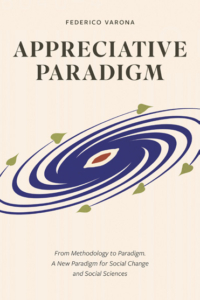 Appreciative Paradigm by Federico Varona is a meticulously researched and conceptually rich exploration of a truly transformative way of seeing the world. It is a pioneering synthesis of theory, scholarship and lived passion that invites readers to reconsider not only how they work with Appreciative Inquiry, but how they live.
 Principal audiences
 Karen Pérez Molina | RIPAPA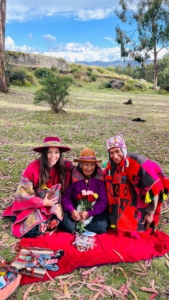

 Keith Storace | Australia
 The ten principles below have been adapted from the original framework of Appreciative Inquiry, first developed by David Cooperrider and Suresh Srivastva (1987) and further elaborated by Jeanie Cockell and Joan McArthur-Blair (2012), and Lea Waters and Mathew White (2015) to support reflective practice in therapeutic, educational, and developmental contexts.